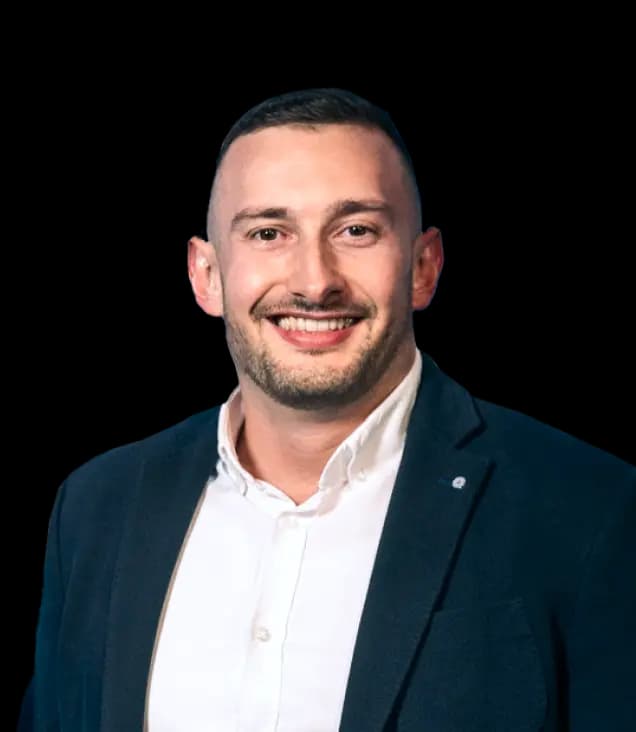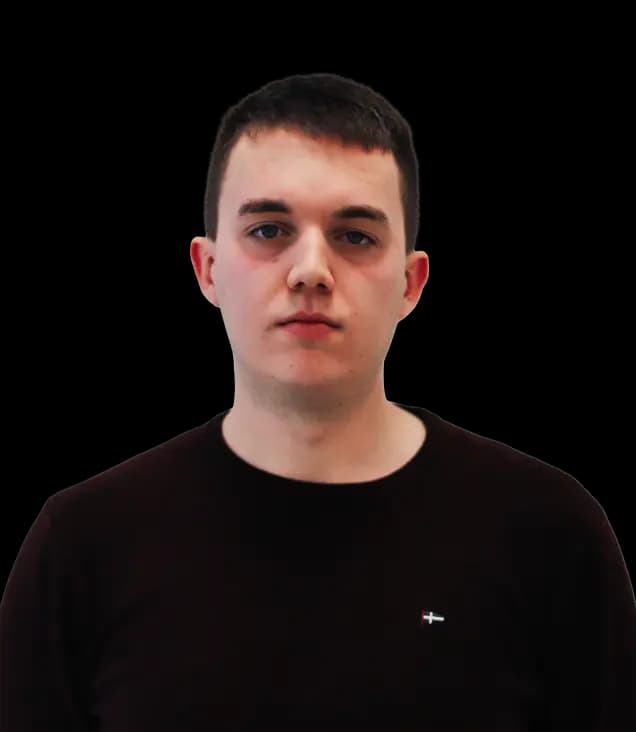

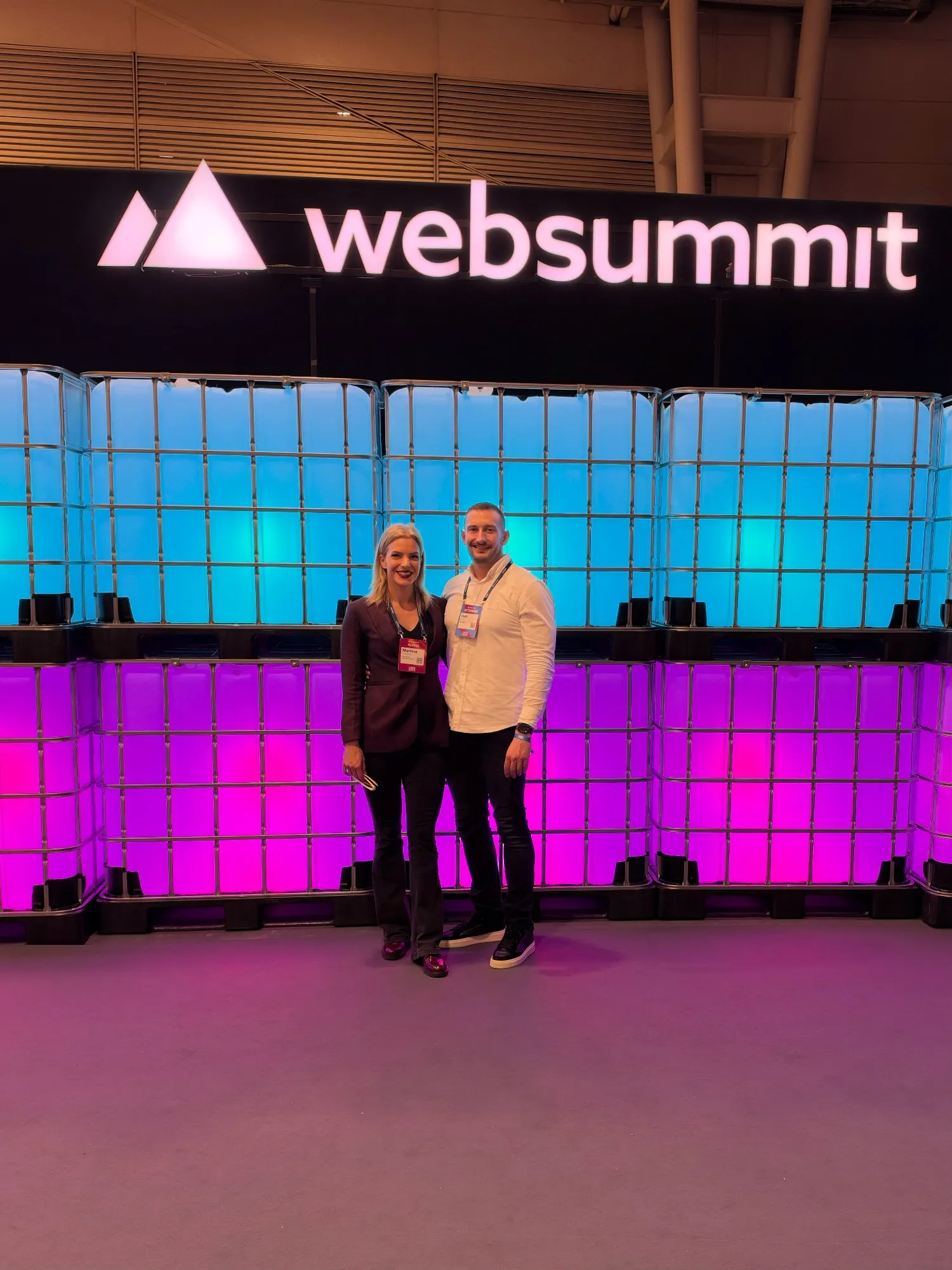
Web Summit 2026 took place in Lisbon from November 9 to 12, and two of us spent the whole week there: Ivan Lovrić, our CEO, and Martina Pušić Lovrić, who also represented Blatine-Škrape Primary School from Split. We went to follow the new tech trends up close and came home with three impressions, AI in every corner of the venue, humanoid robots which are no longer lab prototypes, and a storm which took a whole conference day off the calendar.
Web Summit 2026 in numbers
The tenth Lisbon edition ran across MEO Arena and the FIL pavilions in Parque das Nações, with Monday reserved for the opening night. Web Summit's official figures put the conference at 70,003 attendees from 164 countries, 960 speakers, 3,052 exhibiting companies and 1,943 investors, and China brought the largest delegation the conference has seen so far.
AI on the stages, on the stands and in the coffee
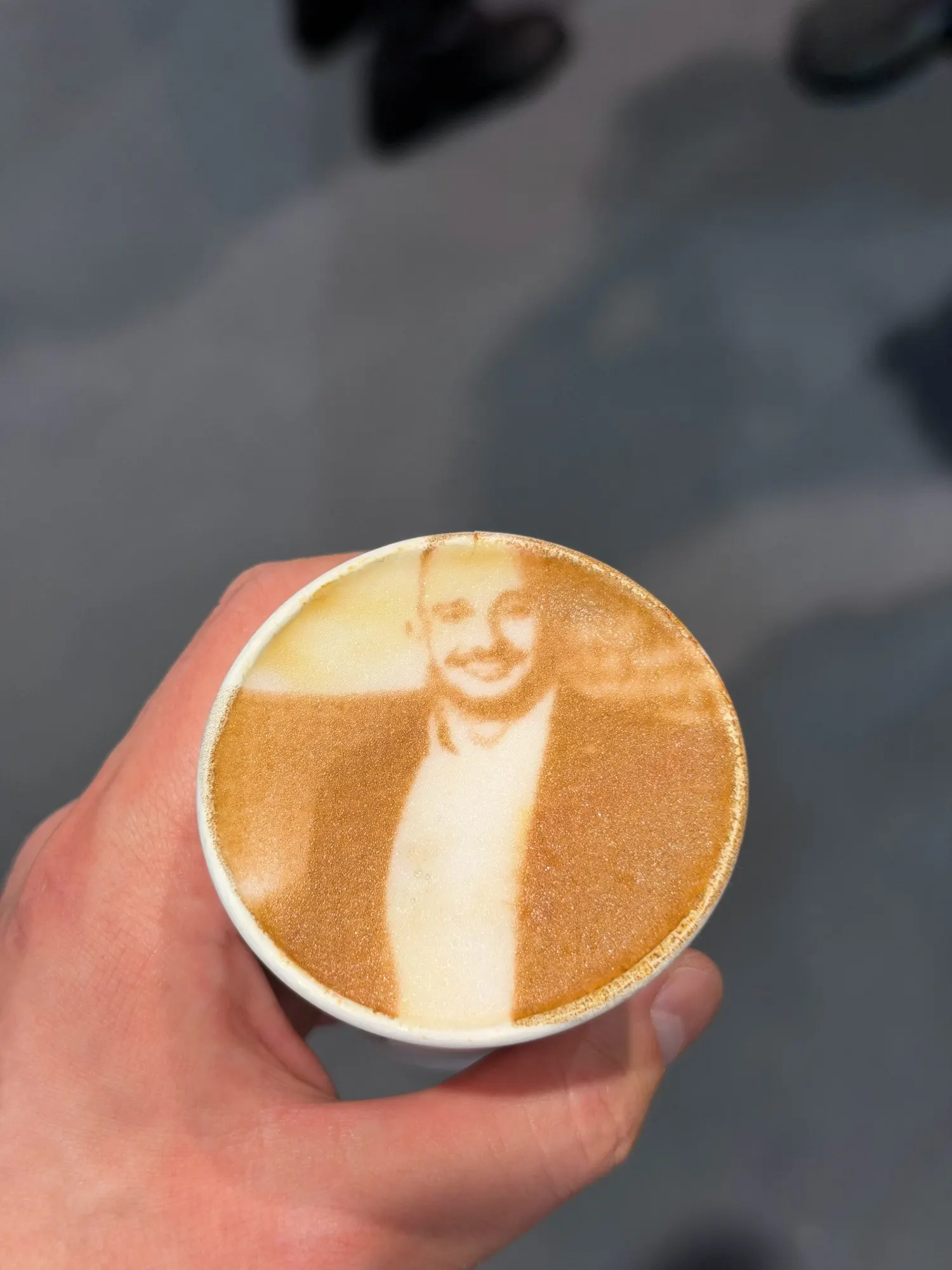
Almost every talk we sat through had AI in its title or got to it within the first five minutes, and the Expo floor followed the same pattern, from agents which plan and run a task on their own to AI tools for hiring, sales and customer support. Our favourite detail came from a coffee stand, where a machine printed a photo straight onto the milk foam of a cappuccino in a few seconds, so by the end of the week even the morning coffee came personalised.
Humanoid robots are already here
The robots surprised us most. Humanoid robots danced, served drinks, gave high fives and blinked with uncannily lifelike eyes at visitors who stopped for a photo, and meeting them in person left a stronger impression than any video we'd watched before, because these are no longer prototypes from a lab.
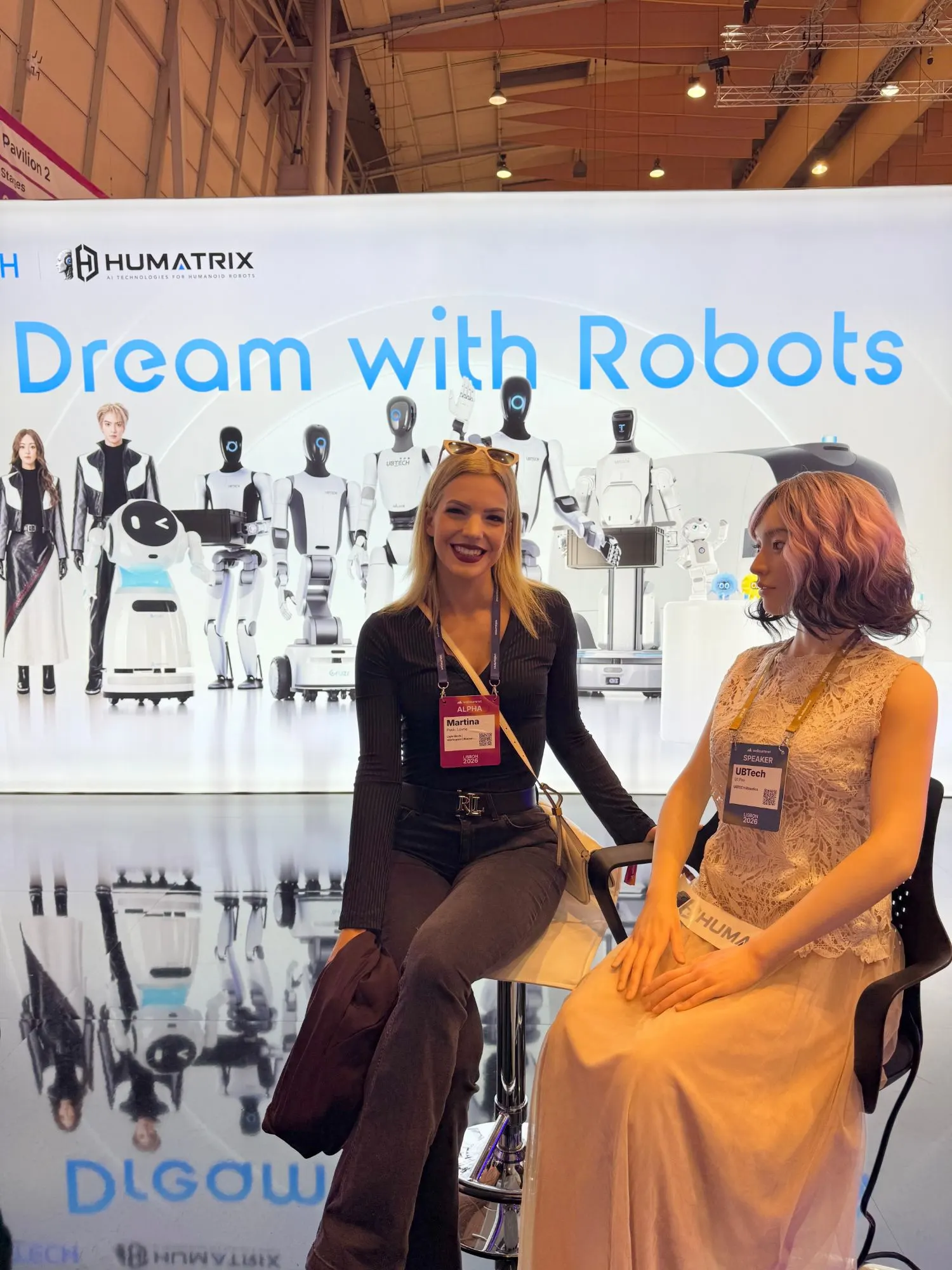
The first big changes from AI hit computer work, from writing to programming, because the models learned from the data of exactly those industries, and today's AI agents plan a task and carry out several steps in a row on their own. Once a system like this controls a robot which walks and handles objects, we're talking about embodied AI, and AI moves from answering our questions to doing the work: planning, deciding, taking steps and finishing whole processes, now with a body for physical jobs, from moving goods in a warehouse and handling tools in a workshop to making a personalised coffee.
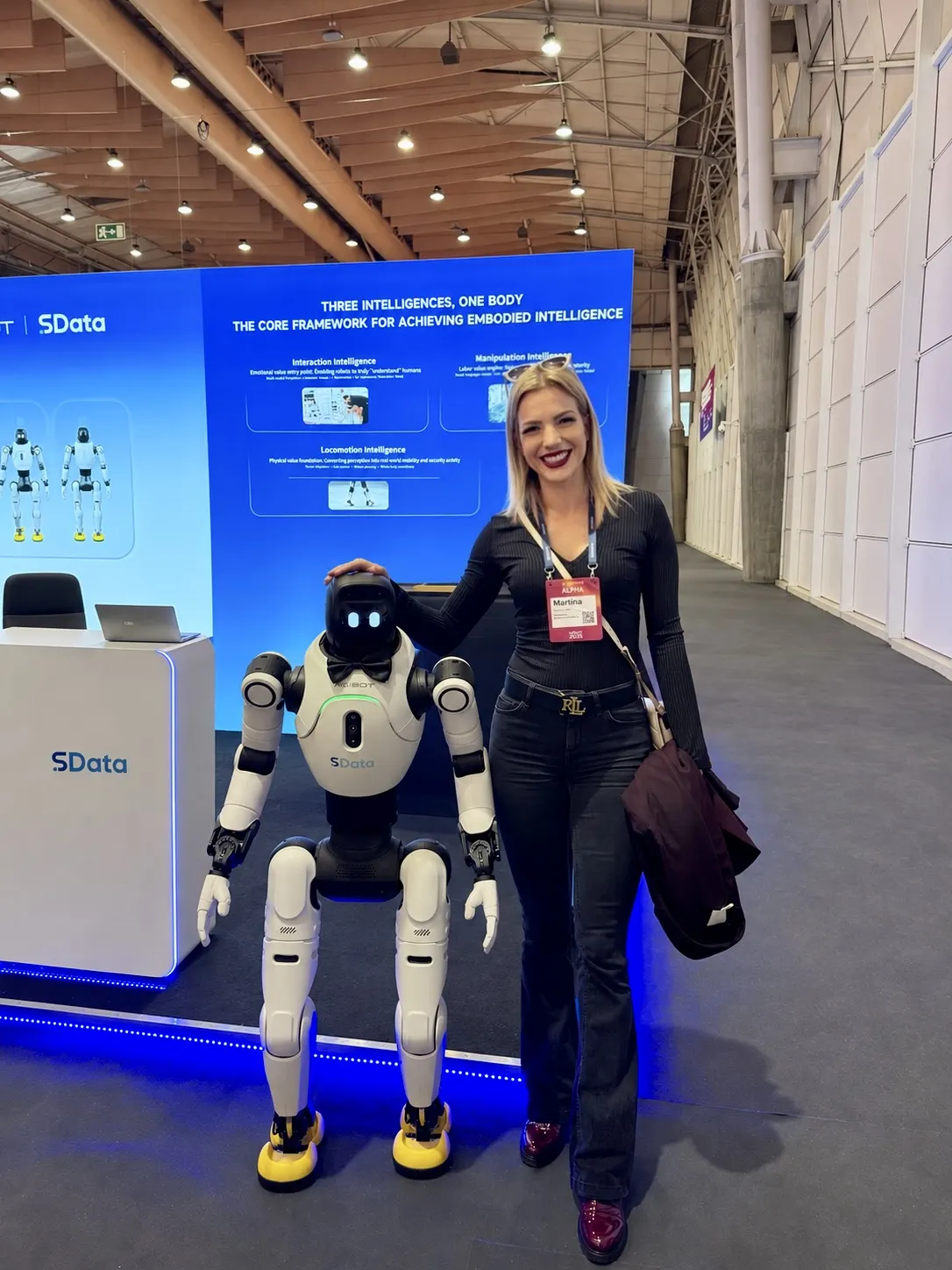
We always joked about retraining as tilers once AI takes our jobs. After Web Summit we doubt any industry stays out of reach of AI or robotics, and a robot which lays tiles or puts up drywall will arrive sooner than most of us expect.
Twenty-minute talks and the ones worth the seat
Most talks at Web Summit last about 20 minutes, and in a format this short a speaker rarely gets far beyond the introduction or tells you something you haven't already read online or watched on YouTube. The talks worth the seat were the ones where speakers spoke from first-hand experience, because a real story from someone's own company gave us ideas for our own situations, and dry theory never does.
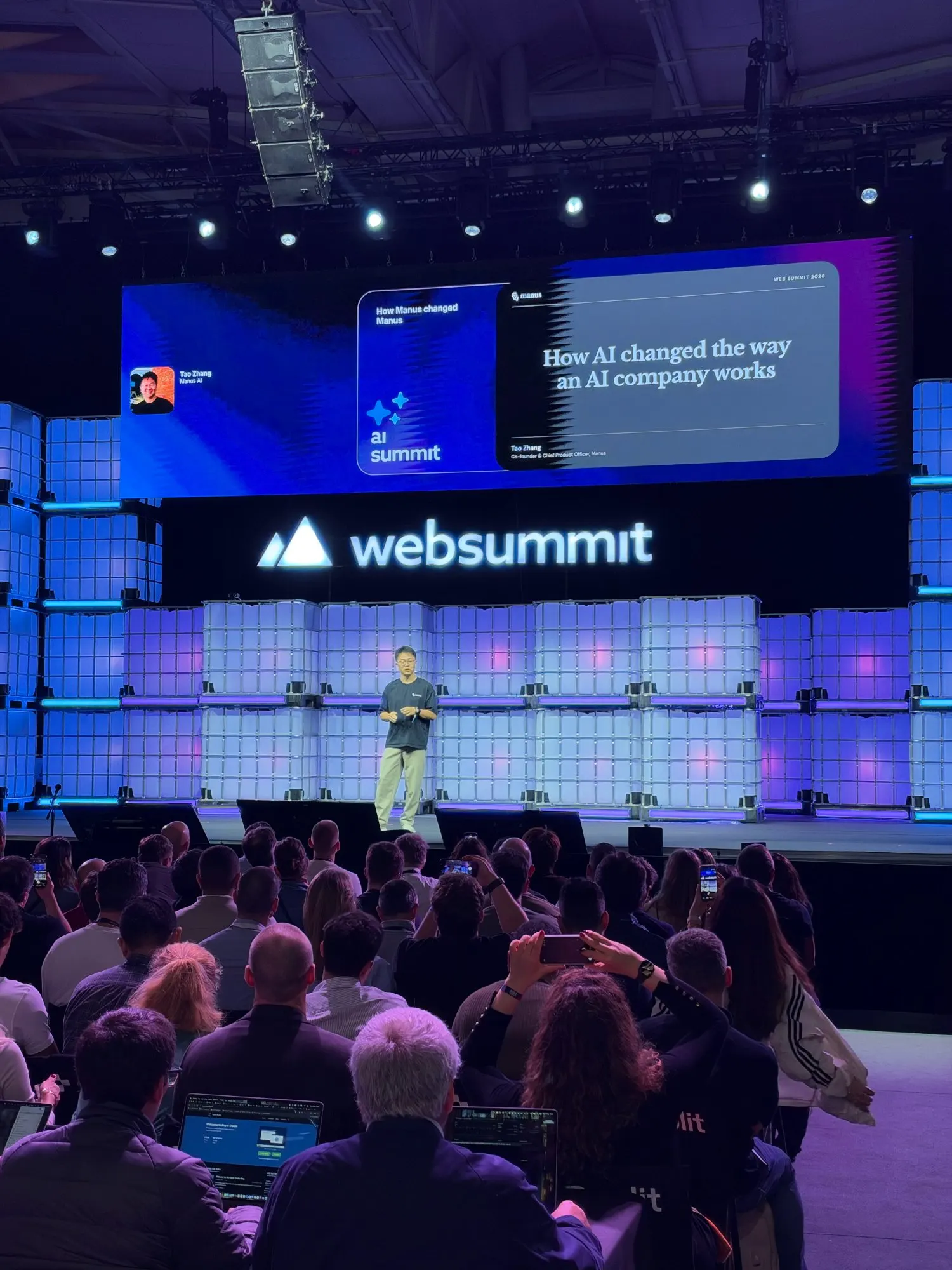
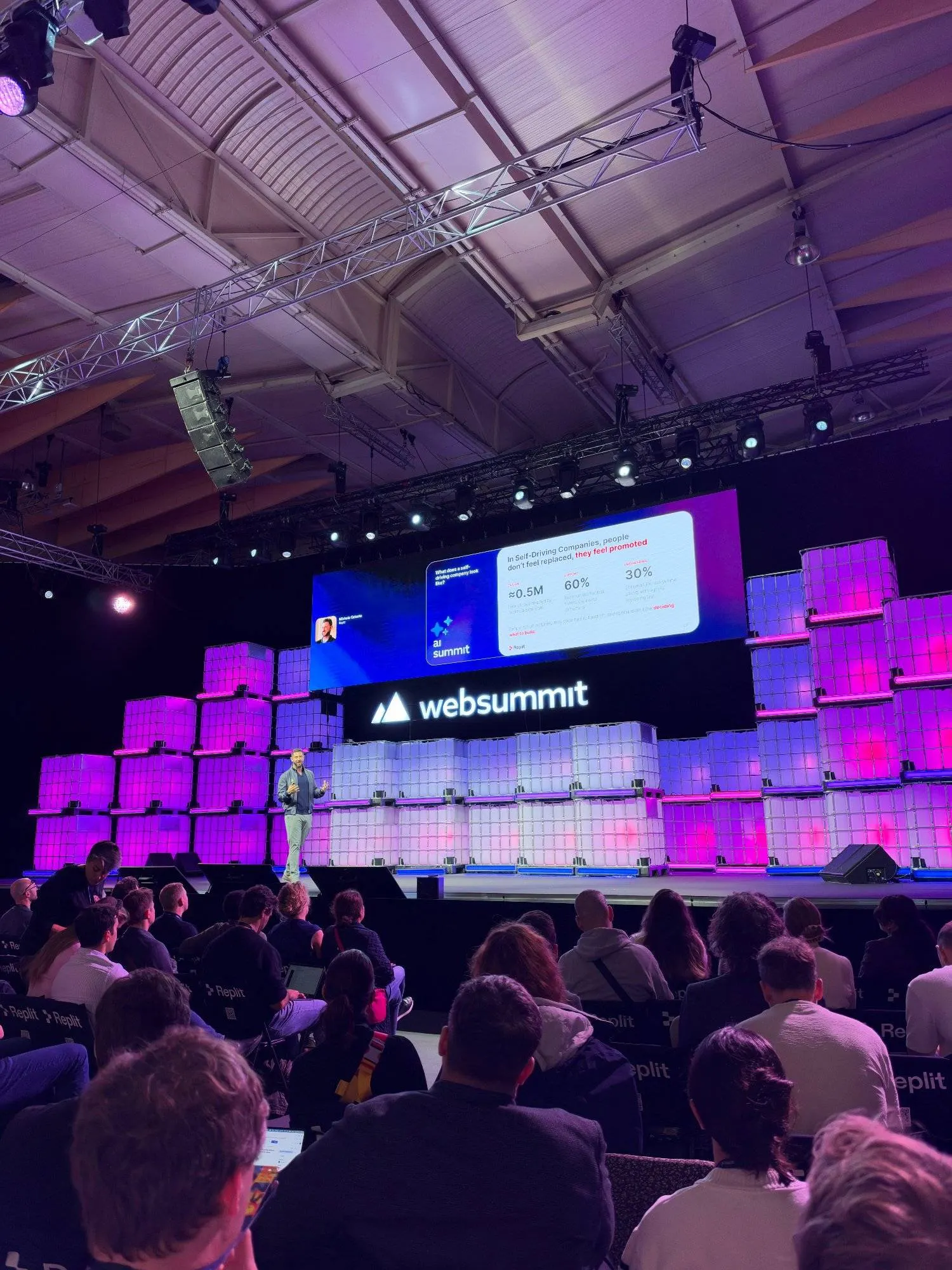
One example came on Tuesday on the AI Summit stage, where Tao Zhang, co-founder and Chief Product Officer of Manus, talked about how AI changed the way Manus itself works. The speaker mentioned having ADHD and finding it hardest to start a task, so every morning the to-do list goes to a Manus agent, which takes over the tasks. For us this turned into a concrete idea for the pile of ideas waiting on the side, on paper or in an app: give the list to AI every morning and let it start a separate session for each idea.
Storm Charles and the Wet Summit
The rain followed us from Monday, water leaked into the FIL pavilions, and before the week was half over the Portuguese press had renamed the conference the Wet Summit. On Tuesday afternoon Web Summit cancelled the whole Wednesday programme on the government's advice, with a red warning for Lisbon, gusts of up to 120 km/h and public transport in trouble, and moved most of the sessions to Thursday.
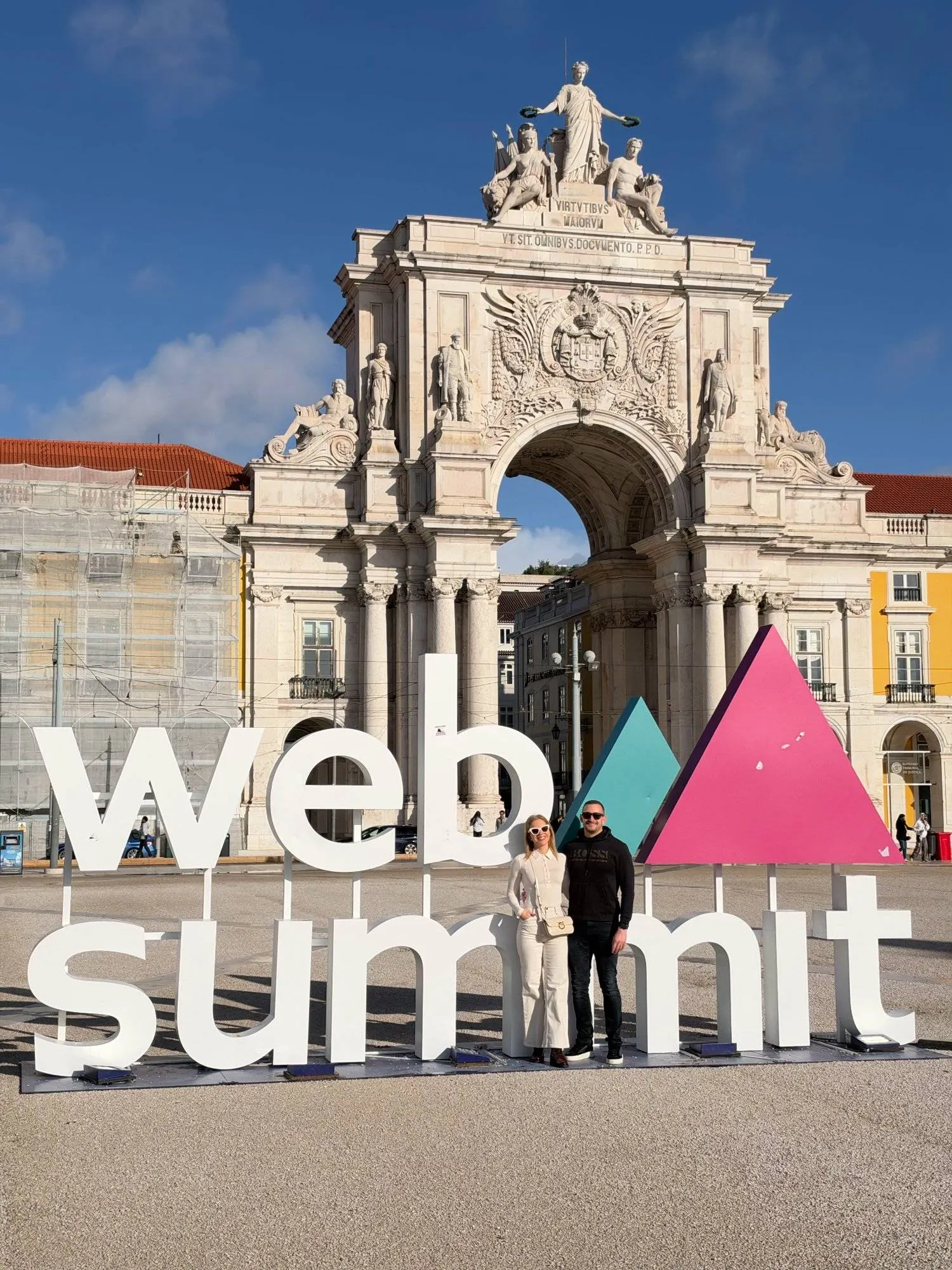
Wednesday became our free day in Lisbon. By the afternoon the sky had cleared completely, so we walked the city from Praça do Comércio onwards, took in the views and treated ourselves to pastel de nata, more than once.
Split at Web Summit 2026
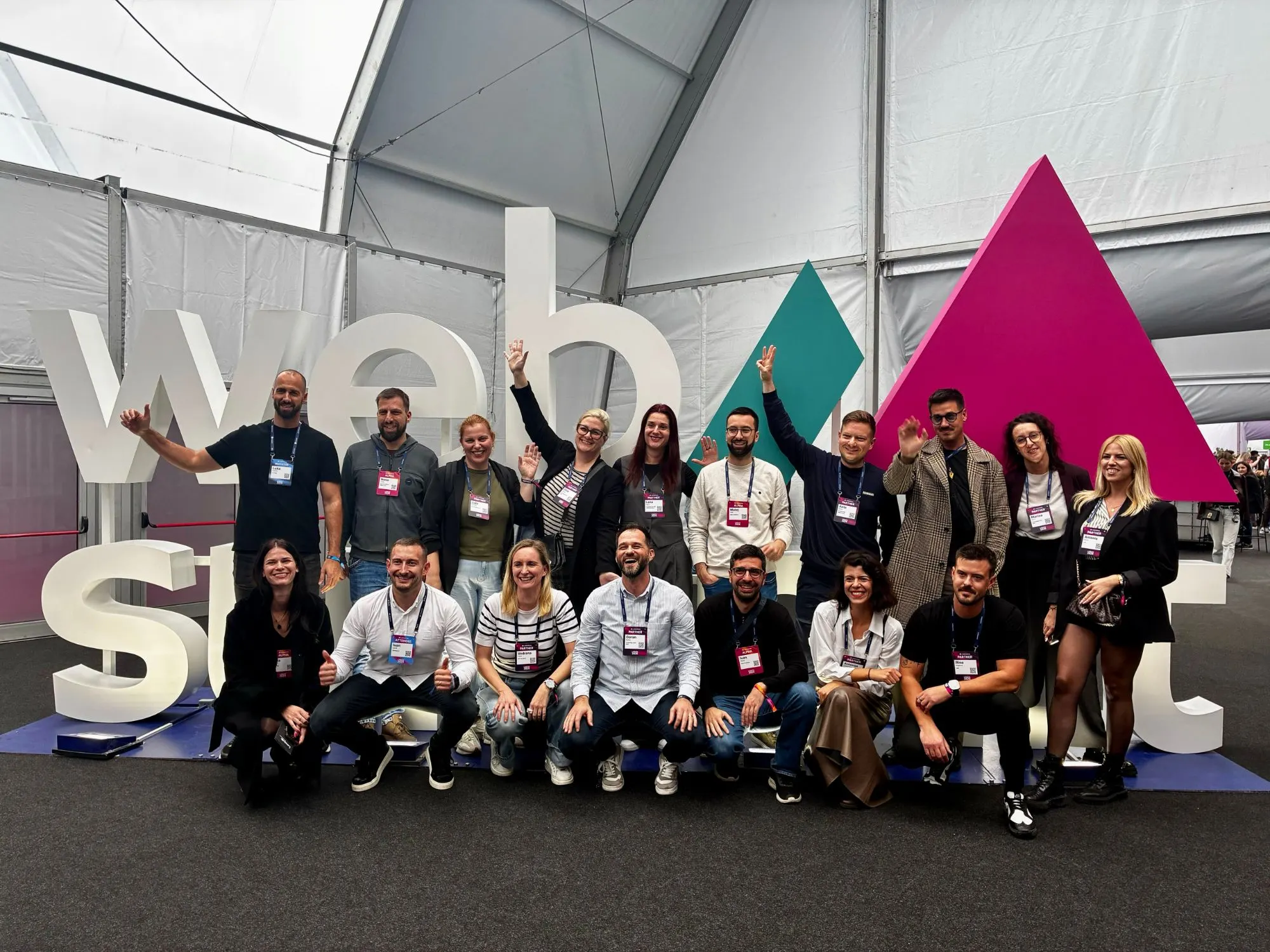
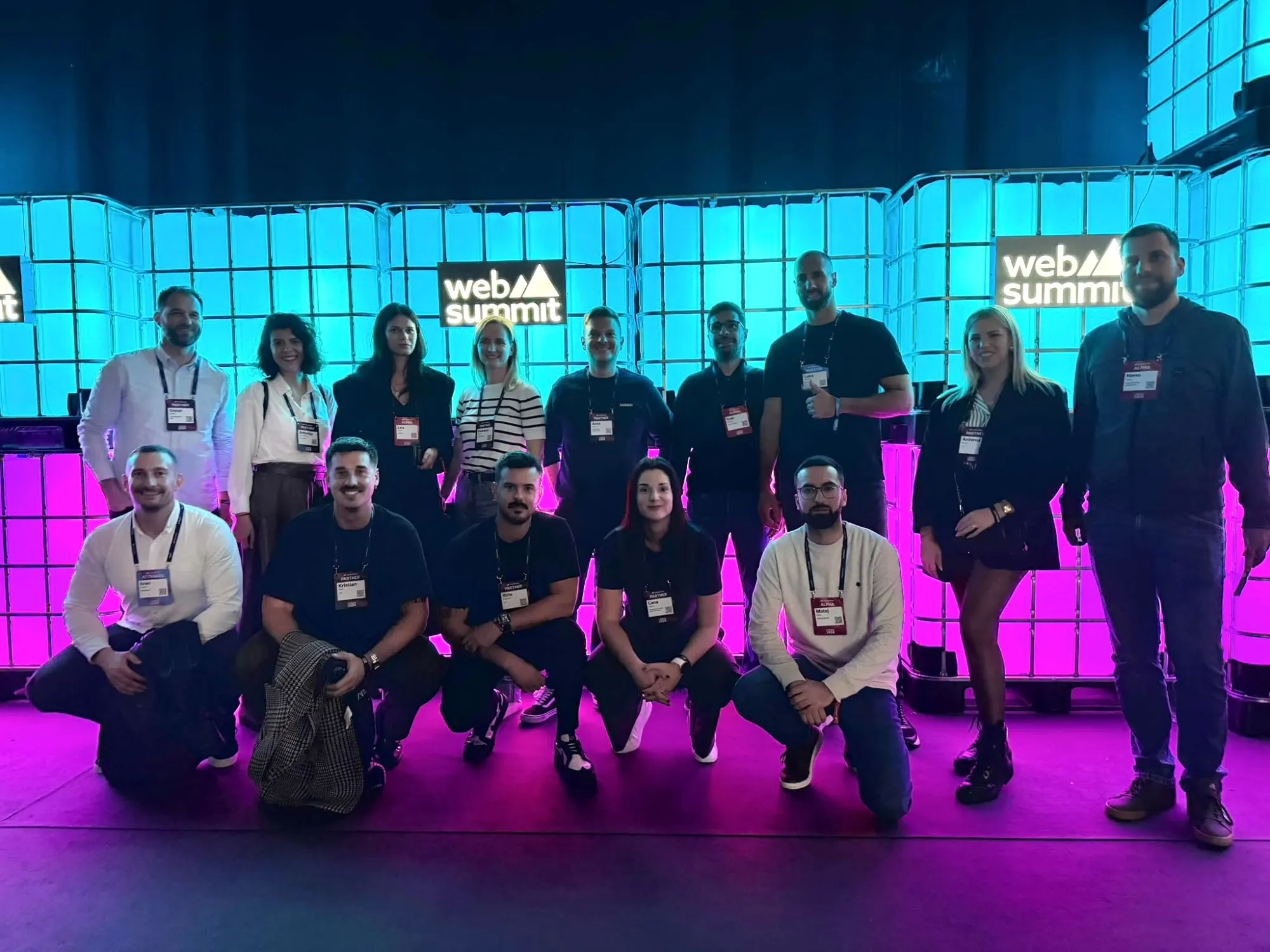
We went to Lisbon as part of the Tehnološki park Split delegation, together with the TPS team, representatives of the City of Split and fellow TPS tenants. TPS ran its own booth, where we presented Serwizz, our CMMS for maintenance and field service teams, and the week gave the whole group plenty of meetings with tech parks, hubs and investors from other countries.
Why a software company goes to Web Summit
Web Summit is built first for startups and investors, and for a software development company like ours it rarely turns into a source of new clients. We keep events like this on our calendar anyway, because following where tech is heading and being part of the community belong to our job, and a week in Lisbon gave us more to think about than a month of reading about the same trends.
If Web Summit 2026 left you wondering where AI agents or automation fit into your own business, reach out to book a discovery session.